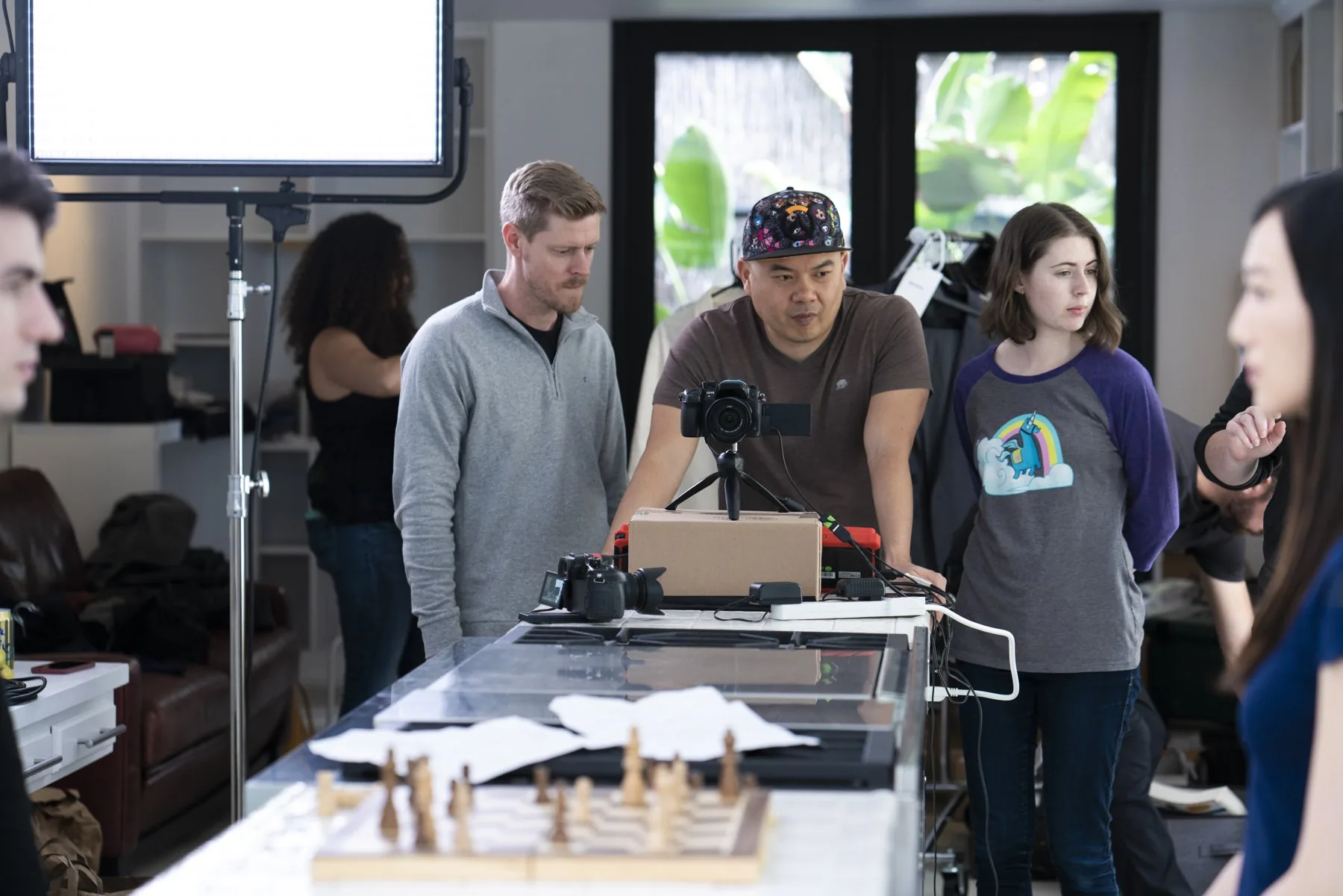
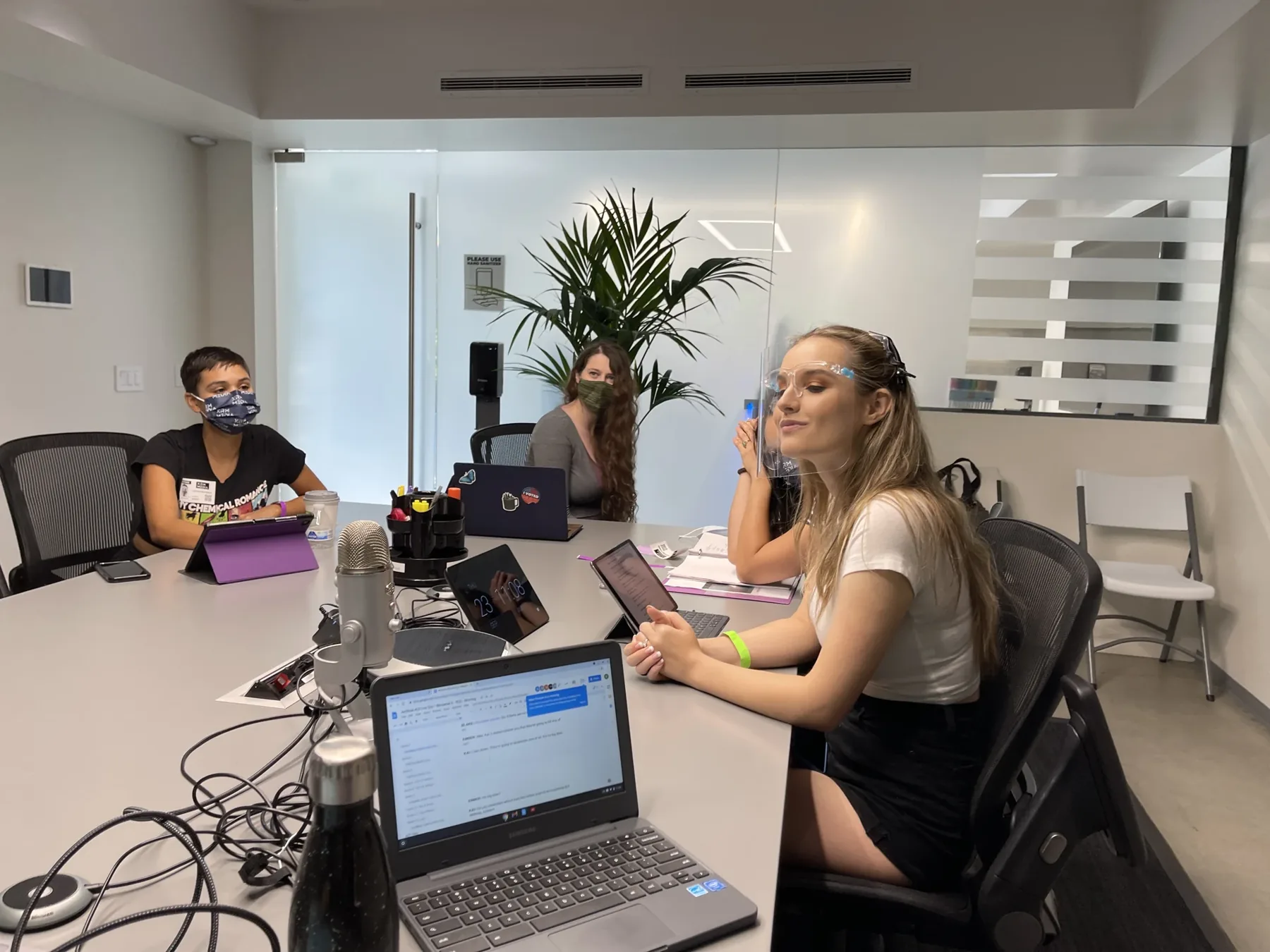
On set with Artificial · original production photograph
INSIDE THE PRODUCTION
How we made it live.
Writing alternate futures. Rehearsing across distance. Building Lilith’s cage. Bringing the live broadcast together. Watch the original footage and meet the people behind the process.
Ten windows into the writing, performance direction, image-making, broadcast and technology behind Artificial. Follow each contribution back to its original credit or first-person account.
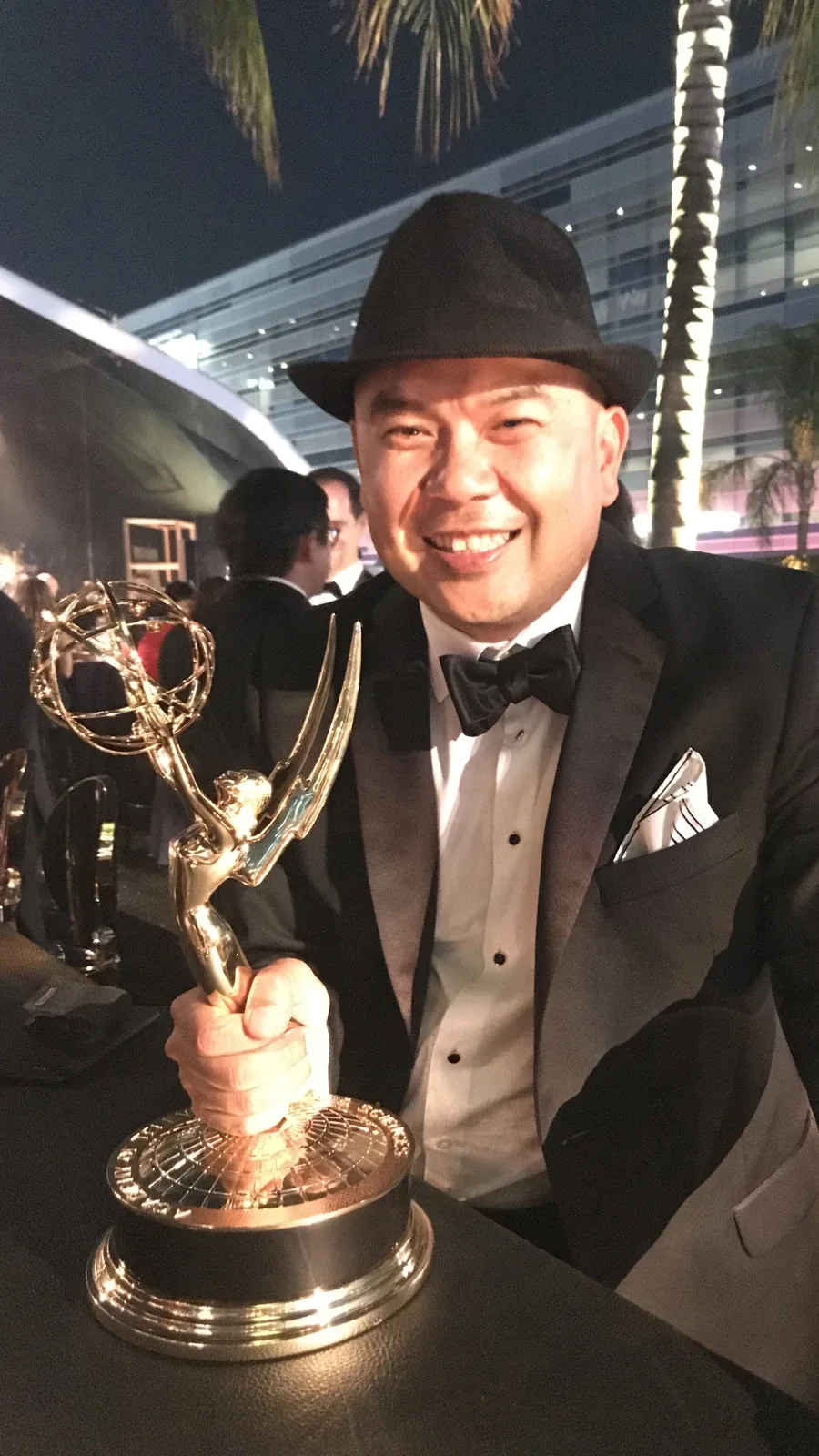
Bernie Su with the Emmy in 2019 · original archive photograph.
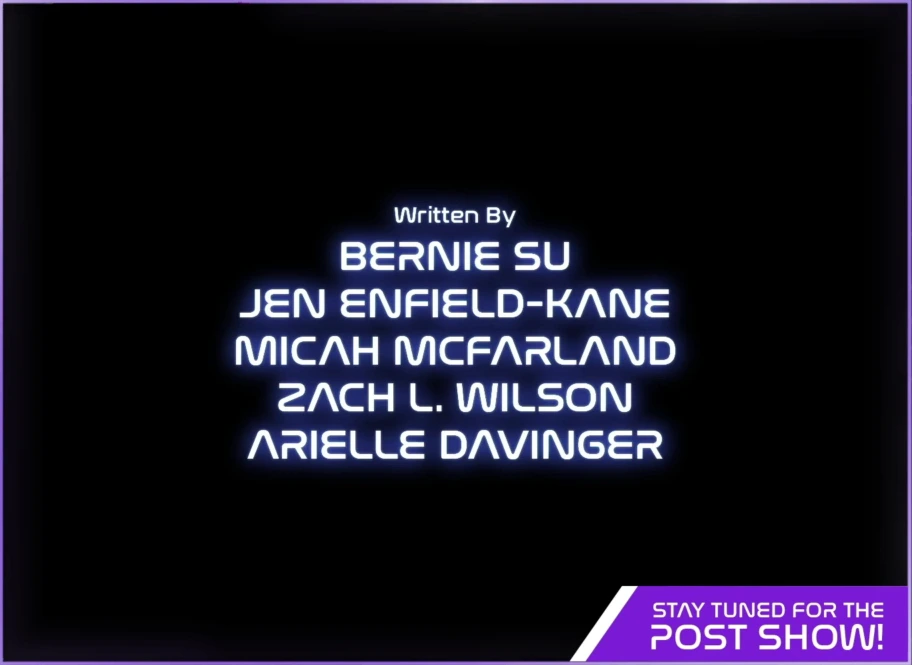
Su directed live performances while the audience changed the story’s direction. In his Academy oral history, he describes rehearsed alternatives, writer-filtered chat and switching to the winning scene as a poll closed.
WHAT THE WORK MADE POSSIBLE
The prepared script and the audience’s live decision had to meet in the same performance.
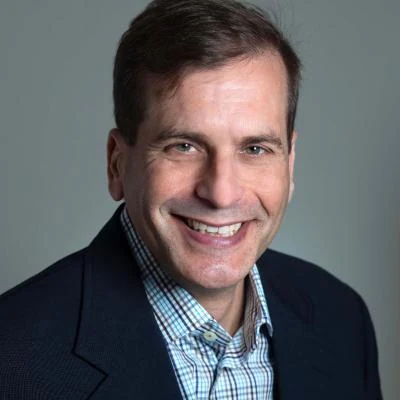
Evan Mandery · John Jay College faculty portrait. Image source
Co-creator · writer · executive producer
Evan Mandery
A human story inside the experiment.
Su credits Mandery with the original AI-human story concept. The premiere and Peabody records document Mandery’s writing and producing roles as the idea became a live interactive drama.
WHAT THE WORK MADE POSSIBLE
The technology grew from a dramatic relationship: a father, an artificial daughter and the people invited into their world.
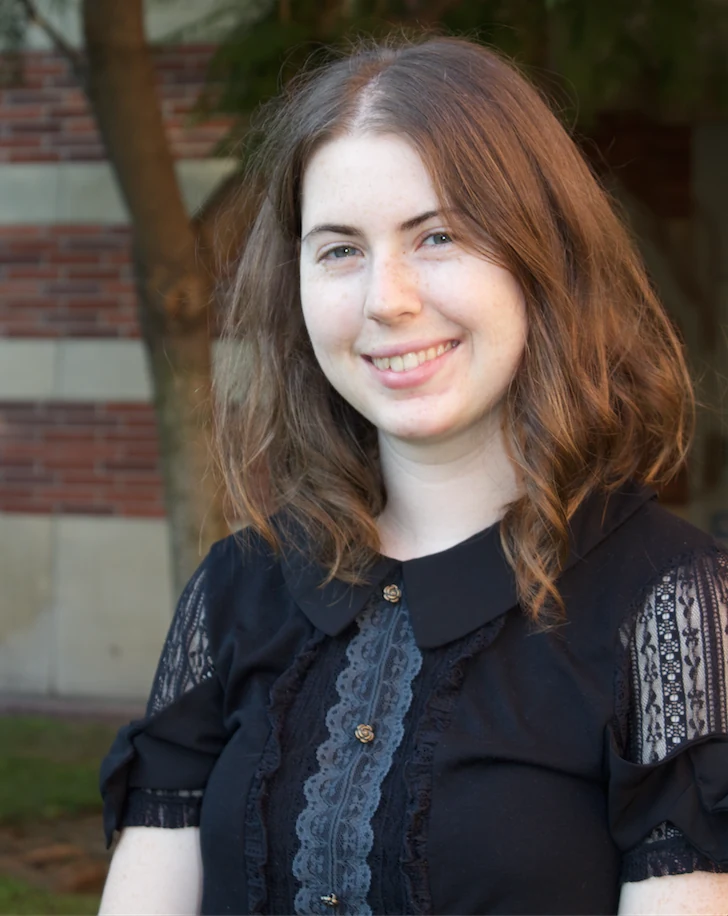
Jen Enfield-Kane · USC portrait, 2015. Image source
Writing · production
Jen Enfield-Kane
The second pass before the actors began.
Her credits move from script supervision in the original premiere to co-producing in Season 2 and writing in Remote Intelligence. Su recalls sending her his assembled remote-season draft for review before it reached the cast.
WHAT THE WORK MADE POSSIBLE
A rapidly written, branching episode still needed a coherent script for the performers to prepare.
Zach L. Wilson · portrait from his official website. Image source
Writing · directing · producing
Zach L. Wilson
Across the script and the live scene.
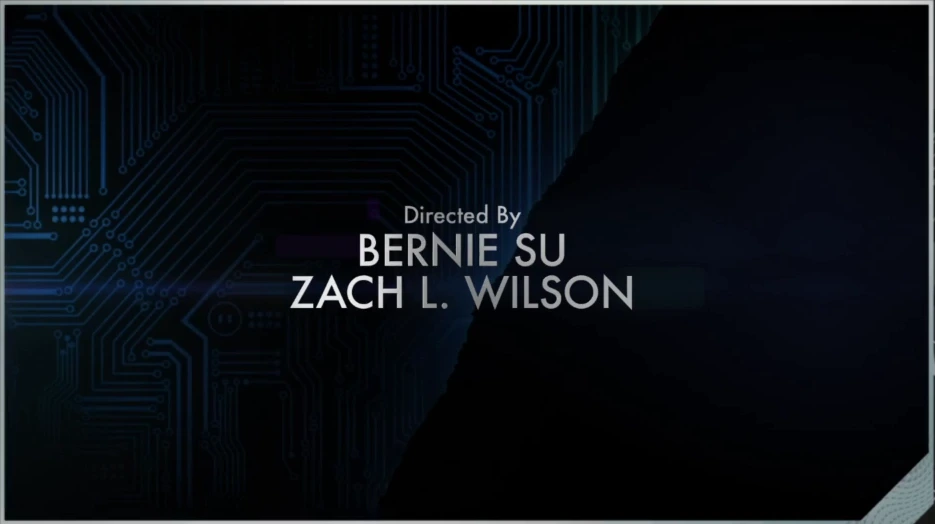
The Remote Intelligence finale credits Wilson as a writer and co-producer. The Factions finale credits him as co-director with Bernie Su, while its production draft also includes him among the writers.
WHAT THE WORK MADE POSSIBLE
His credited work spans preparing the dramatic material and directing its performance across the show’s remote and faction-driven chapters.
Season 3 premiere and finale writing credits; Season 3 finale co-producing credit; Season 4 finale co-directing credit. Season 4 writing attribution is from the Episode 407 production-draft title page.
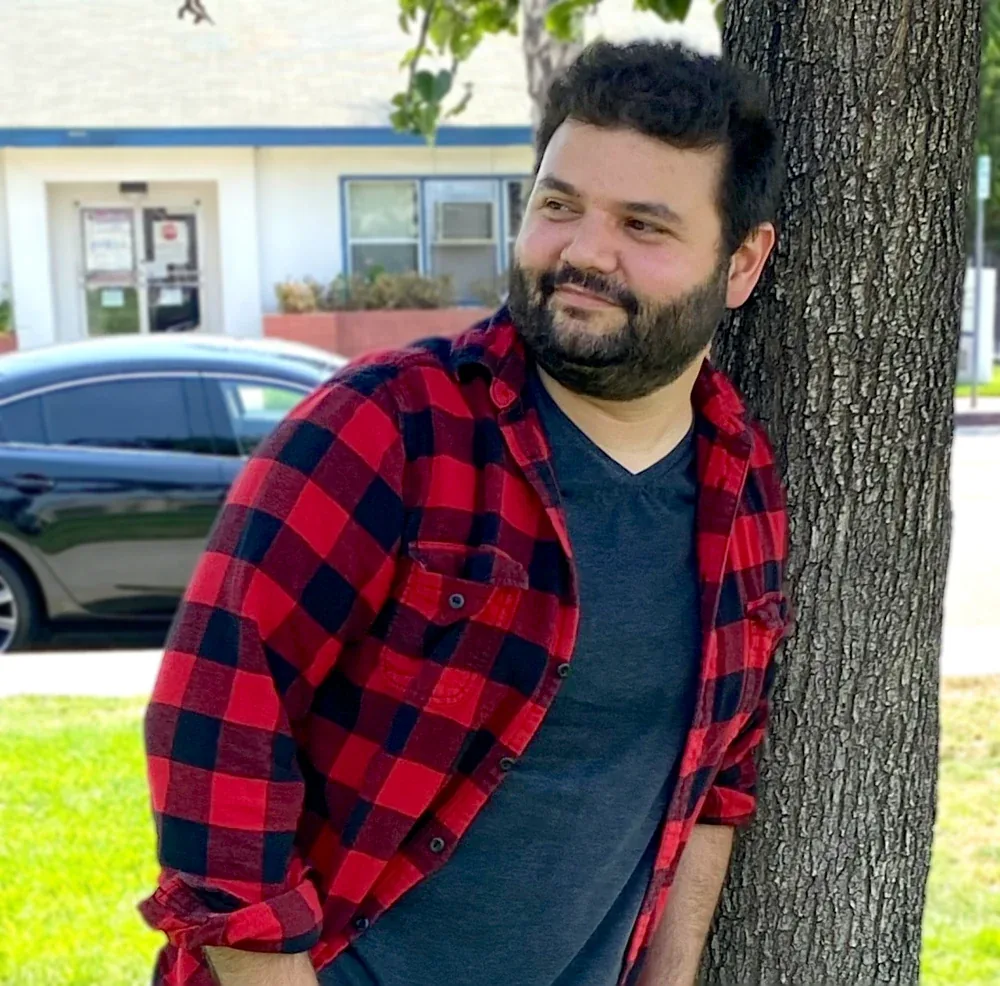
Another part of the production network · Original production photograph. Work imagery; the named contributor is not identified in this image.
Editing · graphics · producing · writing
Robb Padgett
Connecting the story across disciplines.
Padgett is credited as Editor & Graphics in the Remote Intelligence finale and as editor and co-producer in the Factions finale. The Episode 407 production draft also names him among its writers.
WHAT THE WORK MADE POSSIBLE
Editing, graphics and producing were part of the same evolving production; his credits show contributions across those disciplines.
Season 3 premiere editing credit and finale Editor & Graphics credit; Season 4 finale editor and co-producer credits. Season 4 writing attribution is from the production draft, separately from the aired roll.
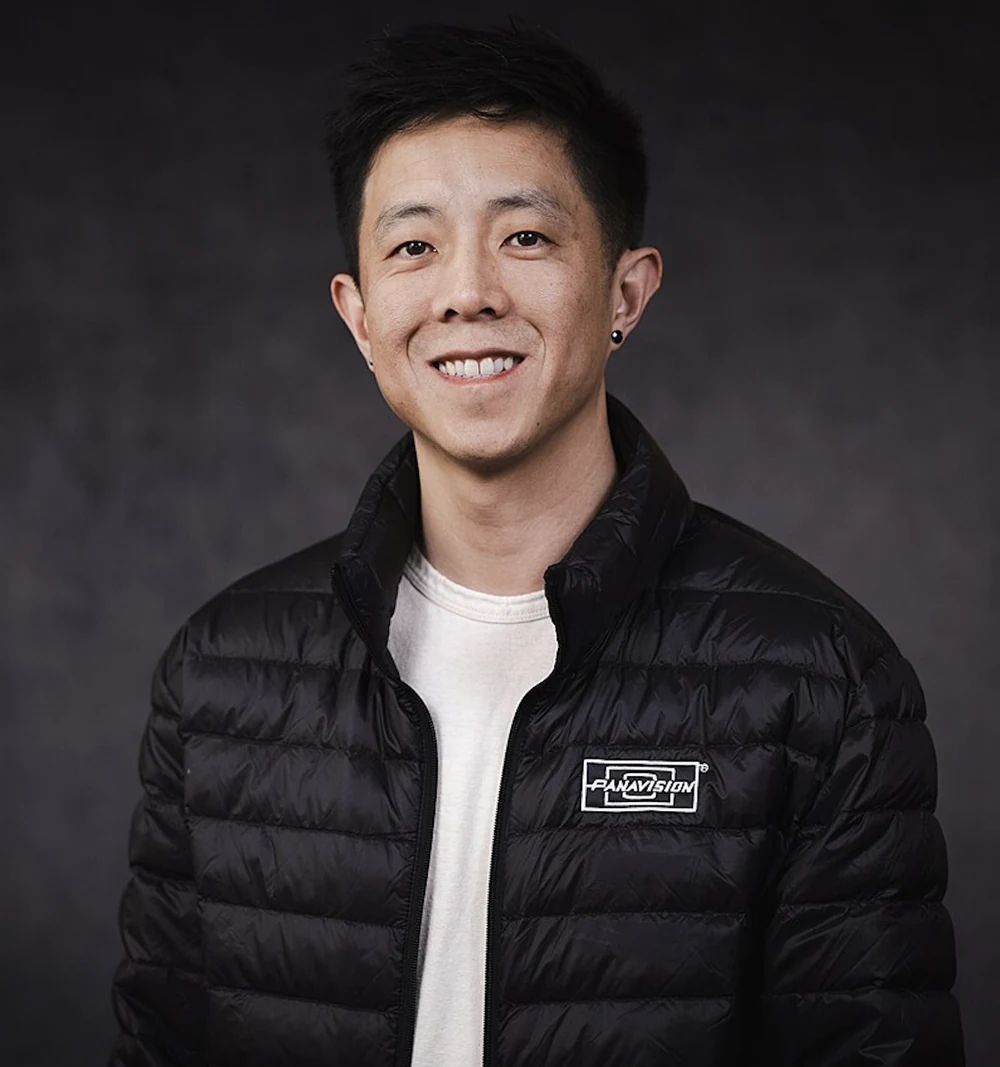
Allen E. Ho · portrait from his cinematography portfolio. Image source
Cinematography
Allen Ho
Shaping the image from a distance.
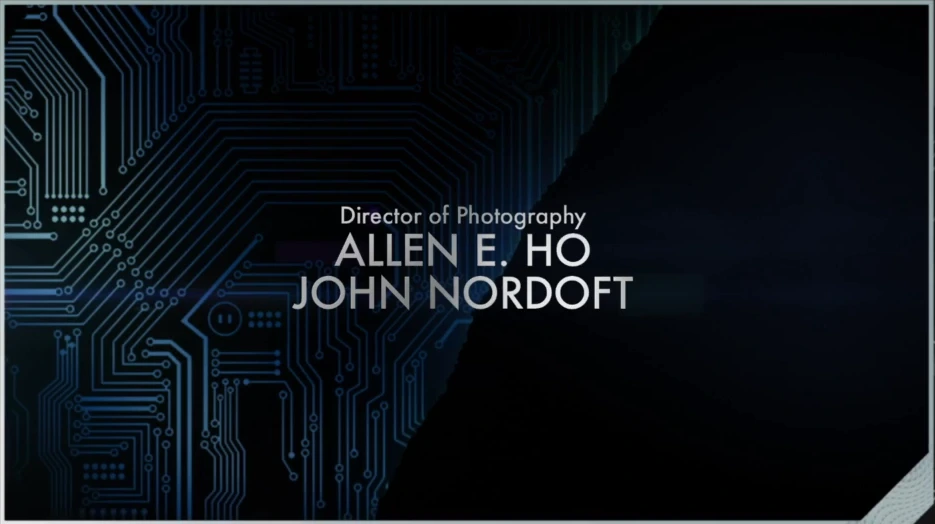
Selected original and remote-season credits name Ho as a director of photography. In his Academy interview, Su recalls Ho guiding performers through lighting their remote spaces, turning an adjustment on set into a conversation across locations.
WHAT THE WORK MADE POSSIBLE
Separate rooms had to become a visual world the audience could enter together.
Mark Donica · illustrated avatar from his Twitch channel. Image source
Broadcast management · early seasons
Mark Donica
A broadcast was part of the storytelling team.
The Season 1 and Season 2 premiere descriptions credit Donica as Broadcast Manager. Those records place broadcast management alongside writing, directing, camera and sound in the early production.
WHAT THE WORK MADE POSSIBLE
The show was made for a live platform, with broadcast work recognized as a distinct crew role.
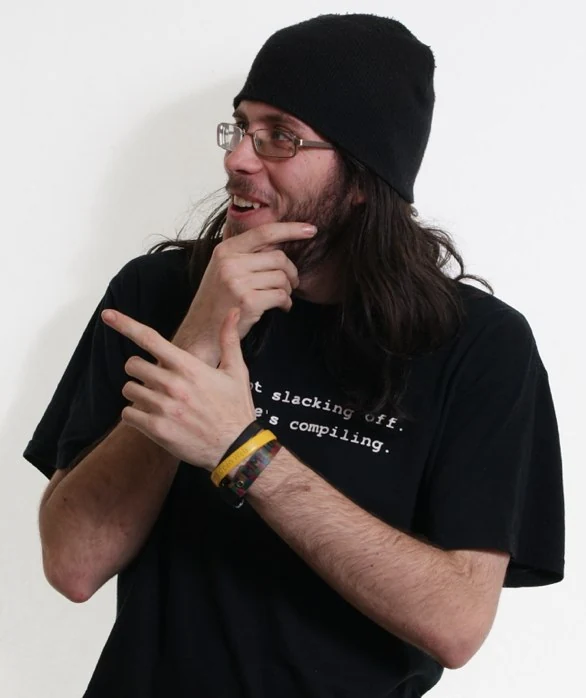
Barry Carlyon · portrait from his own website. Image source
Interaction interface development · Season 3
Barry Carlyon
Connecting the audience to the production.
The aired Remote Intelligence finale credits Carlyon as Interaction Interface Developer. His own account also describes building the systems connecting audience input with the show.
WHAT THE WORK MADE POSSIBLE
Live participation needed an interface between the people watching and the team producing the fiction.
Su names Sheppard and a team of human composers as the source of the musical material. LifeScore’s system combined and deployed that material while audience chat influenced its emotion and intensity.
WHAT THE WORK MADE POSSIBLE
Audience participation could change the feeling of a scene as well as its dramatic direction.
Grab Labs’ extension let viewers join an AI-led faction, participate in story and character polls, and redeem Channel Points for additional votes through a vote bank.
WHAT THE WORK MADE POSSIBLE
The interface made audience allegiance part of how the final season could unfold.
These selected spotlights sit alongside the wider crew directory below. Original episode-credit scopes are retained; a premiere or finale is not a complete season roster. Portraits, profile avatars and partner logos are identified in their captions. Robb Padgett’s feature retains a production image; he is not identified in that photograph.
Buckner’s executive-producer credits appear across all four seasons in the selected premiere, finale and production records. She is also credited in the 2019 Emmy and Peabody award records.
Kalopsis is credited as an executive producer in Artificial’s Peabody production record, alongside Bonnie Buckner, Michael Y. Chow, Evan Mandery and Bernie Su.
Explore the people who wrote, directed, produced, filmed, designed, edited and connected Artificial. Credits identify their original source and episode scope; a premiere, finale or production draft is not presented as a complete season roster.
Su recalls assembling the remote-season script on Saturday, Enfield-Kane reviewing it on Sunday, and the actors receiving it before Tuesday rehearsals and Thursday’s broadcast.